04.09.2024
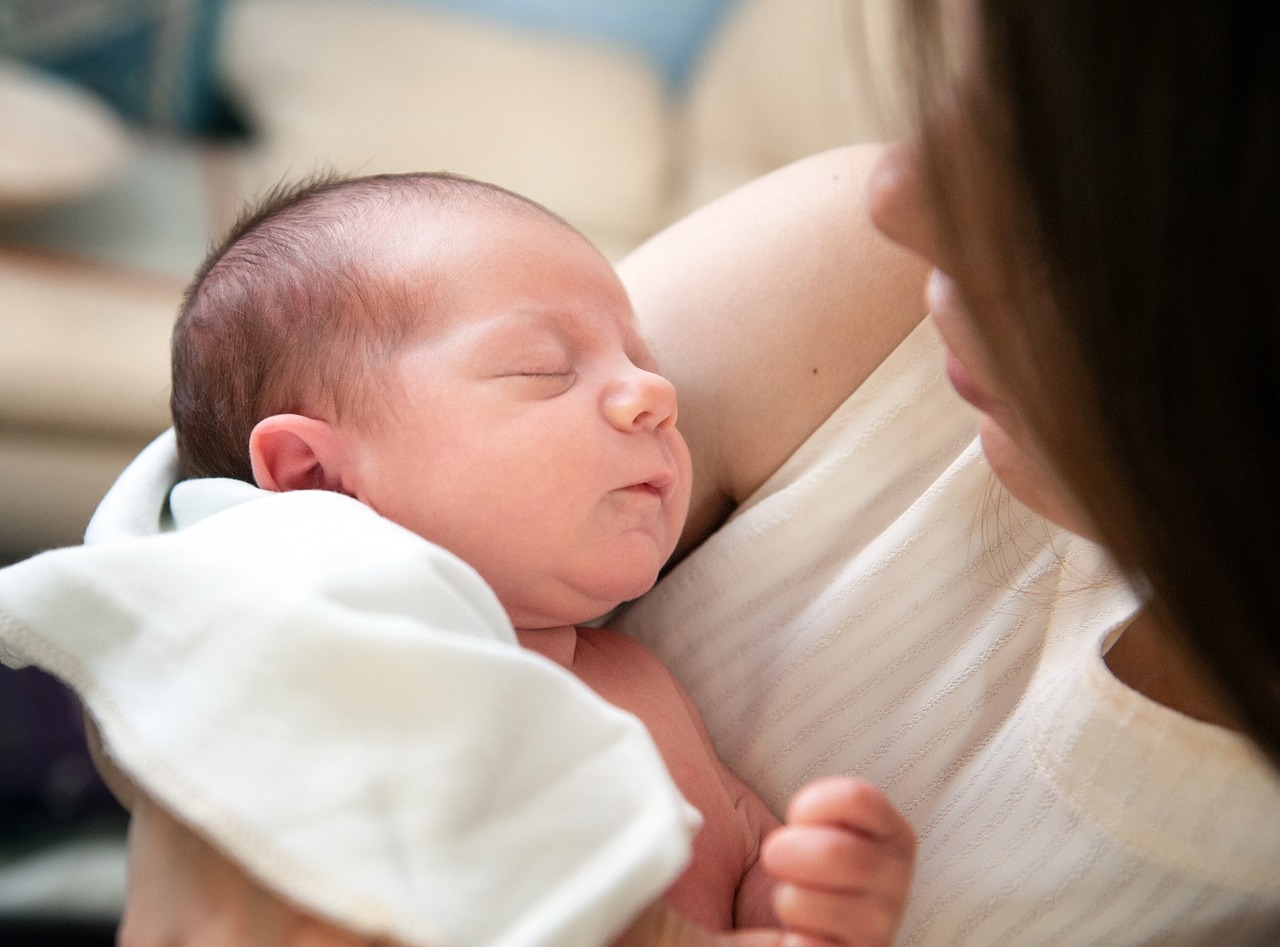
Not all mothers have enough breast milk immediately after giving birth, especially after a very premature birth. The solution: human milk banks that store donated breast milk for newborns in need. A human milk bank has been operating in Bremen since 2021. The health department has been funding the facility at the Bremen-Mitte hospital since 2022.
Goal: To provide care for all premature and sick newborns
Senator Claudia Bernhard visited to exchange ideas with a family benefiting from the service and with staff. The goal of the human milk bank is to provide all premature and sick newborns in the neonatal and postpartum wards of the Prof. Hess Parent-Child Center (Elki) at Bremen-Mitte Hospital exclusively with breast and donor milk.
Breast milk has many benefits
Claudia Bernhard, Senator for Health, Women and Consumer Protection, says: “Breast milk has many advantages, especially for premature babies. It protects against infections, diabetes, allergy-related illnesses such as asthma, and is well tolerated. Even now, industrially produced infant formula can be avoided for newborns in need at the Prof. Hess Parent-Child Center. This is a great success for the human milk bank and its staff. They are making an important contribution to the optimal care of these children. In the future, all premature and sick newborns in Bremen's maternity hospitals should benefit from this service.”
Bridging the gap in the first days of life
Especially extremely premature infants, born before the 32nd week of pregnancy or weighing less than 1,500 grams, are fed with surplus donated breast milk during the particularly sensitive period of the first few days of life. During this time, the mothers can recover from childbirth and, with the support of lactation consultants, gradually begin the breastfeeding process.
Mothers and families are relieved of some of the burden
The human milk bank not only gives children the best possible start in life, but also supports mothers and families in this challenging situation. From January to July 2024, 15 children received a total of 162 bottles of donated human milk. A feeding starts at one milliliter. In total, 13 liters of processed human milk were administered.
The Senator for Health, Women and Consumer Protection is funding the human milk bank with approximately €65,000 in 2024. The goal is to establish a standardized, nationwide funding model for human milk banks through health insurance funds. A long-term study funded by the Federal Joint Committee is currently being evaluated.
Human milk bank – what you should know
- The first milk bank was established in Vienna in 1909; after the Second World War, breast milk collection points were established primarily in the former GDR.
- Human milk banks were increasingly closed in the 1990s.
- Since the founding of the human milk bank initiative in 2018, there are again around 50 human milk banks throughout Germany, distributed across all federal states.
- Gesundheit Nord (GeNo) founded Bremen's only human milk bank in 2021. All high-risk pregnant women giving birth at the Bremen-Mitte hospital are informed about the possibilities offered by the human milk bank, including the option of bridging the first few days of the baby's life with donated human milk or donating their own breast milk.
- If there is interest and the requirements for donating breast milk are met, excess milk is collected, processed, microbiologically examined in the laboratory and, if necessary, pasteurized.
Source: Press Office of the Senate of the Free Hanseatic City of Bremen, Senator for Health, Women and Consumer Protection, Press Release , September 3, 2024