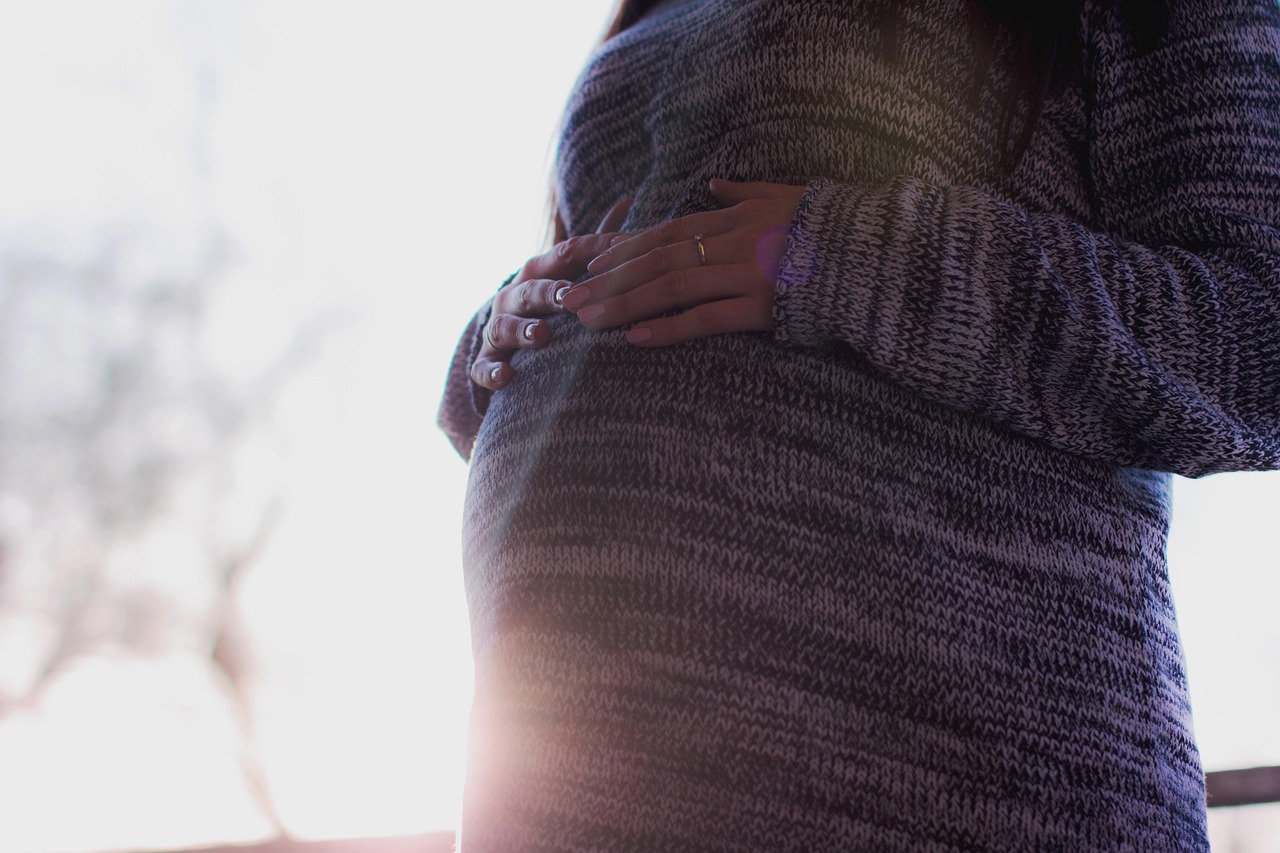
Since June 1, 2025, staggered maternity leave periods apply in the case of a miscarriage from the 13th week of pregnancy onwards.
In the future, the following protection periods will apply in the event of a miscarriage:
- From the 13th week of pregnancy: up to two weeks
- from the 17th week of pregnancy, six weeks
- eight weeks from the 20th week of pregnancy
The specific design of the regulation should enable affected women to decide autonomously whether to take advantage of a protection period.
Maternity protection and maternity benefits are among the family benefits
Female employees are fully protected in the workplace during pregnancy and in the period after childbirth – from health hazards in the workplace, from dismissal and from loss of income.
The aim of maternity protection is to protect the health of the woman and her (unborn) child during pregnancy, after birth and during breastfeeding, while at the same time enabling her to continue working.
She should also be protected from discrimination. Besides employed women, there are other protected groups, such as schoolgirls and female students. The Maternity Protection Act generally does not apply to self-employed women.
Maternity protection includes in particular:
- the protection of health in the workplace,
- a ban on employment in the weeks before and after birth,
- special protection against dismissal,
- securing income during the employment ban,
- paid time off for examinations and breastfeeding.
Maternity allowance, employer's supplement and maternity protection pay
During the maternity protection periods before and after childbirth, employed women are entitled to maternity benefits. These benefits depend on their insurance status:
Women who are members of a statutory health insurance fund…
Maternity pay and an employer supplement are provided. The maternity pay, which amounts to a maximum of €13 per calendar day, is paid by the woman's health insurance provider. In addition, the employer must cover the difference between €13 and the average net daily wage.
Women who are not themselves members of a statutory health insurance fund…
For example, women with private health insurance or those covered under a family plan in the statutory health insurance system receive maternity pay totaling a maximum of €210. The Federal Office for Social Security is responsible for processing applications and payments. They also receive an employer's supplement.
If a work prohibition exists outside of the maternity protection periods, the employed woman also does not have to fear any financial disadvantages. She retains the average earnings she received before the start of the pregnancy (maternity protection pay).
female civil servants
For female civil servants, the full entitlement to remuneration remains in effect during the protection periods and the period of an individual employment ban.
self-employed
Self-employed individuals are not covered by the Maternity Protection Act. They must obtain insurance coverage for the period before and after childbirth. Further information for self-employed individuals is available on the family portal.
Help from the Federal Foundation Mother and Child
Women in financial need can apply for support from the Federal Foundation Mother and Child . The foundation provides financial assistance, particularly for maternity clothing, but also for the baby's initial equipment, maintaining the household and home, furnishings, and childcare. Applications for foundation funds can be submitted at a local pregnancy counseling center.
More information on maternity protection, the Maternity Protection Act and applicable regulations
Source: Federal Ministry of Education, Family, Senior Citizens, Women and Youth, Background Information , May 12, 2025